

The best automated webinar platforms let you efficiently engage audiences, generate leads and sales, and educate customers with pre-recorded, live-like presentations. Plus, they don’t require real-time management.
According to the Webinar Benchmark Report by Goldcast in 2025, the average webinar attendance rate is 33%, which shows how much drop-off happens between registration and actual engagement.
But how do you choose the best one for your needs?
Having experimented with numerous webinar tools, I’ve compiled the following list of the 12 top automated webinar platforms that ensure engaging and seamless sessions.
What Is an Automated Webinar Platform and How Does It Work?
Here’s how webinar platforms with automation features typically work:
- Pre-record content: Upload or record your webinar once and prepare it for replay
- Set schedule: Choose fixed times, recurring sessions, or instant “join now” options
- Add interactions: Insert polls, chat prompts, and CTAs at specific timestamps
- Capture leads: Collect registrations through landing pages and forms
- Track behavior: Monitor attendance, engagement, and actions taken during the session
- Automate follow-ups: Trigger emails based on attendee behavior, like showing up or clicking a CTA
12 Best Automated Webinar Platforms
The following automated webinar platform comparison list is based on my extensive research, first-hand experience with the tools, peer feedback, and reviews on trusted user review websites.
| Best For | Pricing | |
|---|---|---|
| WebinarNinja | Best Webinar Software to Generate Leads, Grow Sales, and Teach Better | FREE 14-day trial. Paid starts at $0.30/attendee/month |
| Demio | Interactive and engaging webinars | Starts at $42/month |
| EverWebinar | Live event simulation | $499/year |
| Livestorm | Small and medium-sized businesses | Starts at $79/month (billed annually) |
| ClickMeeting | Lead generation and nurturing | Starts at $42/month |
| GoToWebinar | Large enterprises | Starts at $49/organizer/month (billed annually) |
| MyOwnConference | Social media integration | $264/year |
| GetResponse | Email marketing integration | Starts at $48.4/month (billed annually) |
| Zoom Webinars | Intuitive user experience | Starts at $690/year/license |
| BigMarker | Promoting sales offers | Starts at $89/month |
| WebinarGeek | Comprehensive customization options | Starts at €39/month (billed annually) |
| eWebinar | In-depth analytics | Starts at $84/month (billed annually) |
1. WebinarNinja
Best Webinar Software to Generate Leads, Grow Sales, and Teach Better
When I started using WebinarNinja, I realized it’s built for marketers like me who want webinars to do more than just host a webinar and fill seats. It helped me turn every event into a connected lead-generation and marketing engine.
I could create branded landing pages and customizable registration forms that captured richer prospect data right from the first touchpoint, and then carry that momentum forward with CRM and email integrations that kept my leads moving through automated reminders, follow-ups, and nurture sequences.
Once people joined my webinar, the experience continued to support conversions. I used live chat, Q&A, polls, handouts, and timed offers to keep engagement high and encourage action at the right moment. Even after the session ended, things didn’t stop. Automated webinars kept my funnel running around the clock without losing consistency or reach.
Overall, WebinarNinja helped me bring lead capture, audience engagement, automation, and analytics together in one continuous system. It made it easier for me to generate pipeline, understand buyer intent, and drive more measurable conversions.
Pros:
- Capture higher-intent leads with branded registration pages and custom forms that improve sign-ups and data quality.
- Move prospects through your funnel faster with CRM sync and automated email follow-ups.
- Keep webinar attendees engaged with chat, polls, Q&A, and handouts that encourage real-time action.
- Run automated webinars around the clock so your lead-generation engine keeps working beyond live sessions.
- Turn audience interest into a measurable pipeline with timed offers and conversion-focused webinar experiences.
- Track registrations, attendance, clicks, and buyer intent to improve campaigns and accelerate conversions.
Cons:
- No on-premise or downloadable version available.
- Dark mode support is not available on the web.
Pricing: A FREE 14-day trial is available. Paid starts at $0.30/attendee/month (includes CourseNinja worth $1200).
To see how this plays out in a real business, here’s a great example from a coach who rebuilt his training engine using webinars. This case shows how the right platform can help you deliver better sessions, cut costs, and reconnect with your audience at scale.
2. Demio
Best for Interactive and Engaging Webinars
My personal experience with Demio positions it as a leading choice for dynamic and interactive webinars. This platform expertly accommodates pre-recorded content while ensuring participant engagement with tools like timed releases of handouts and interactive polls.
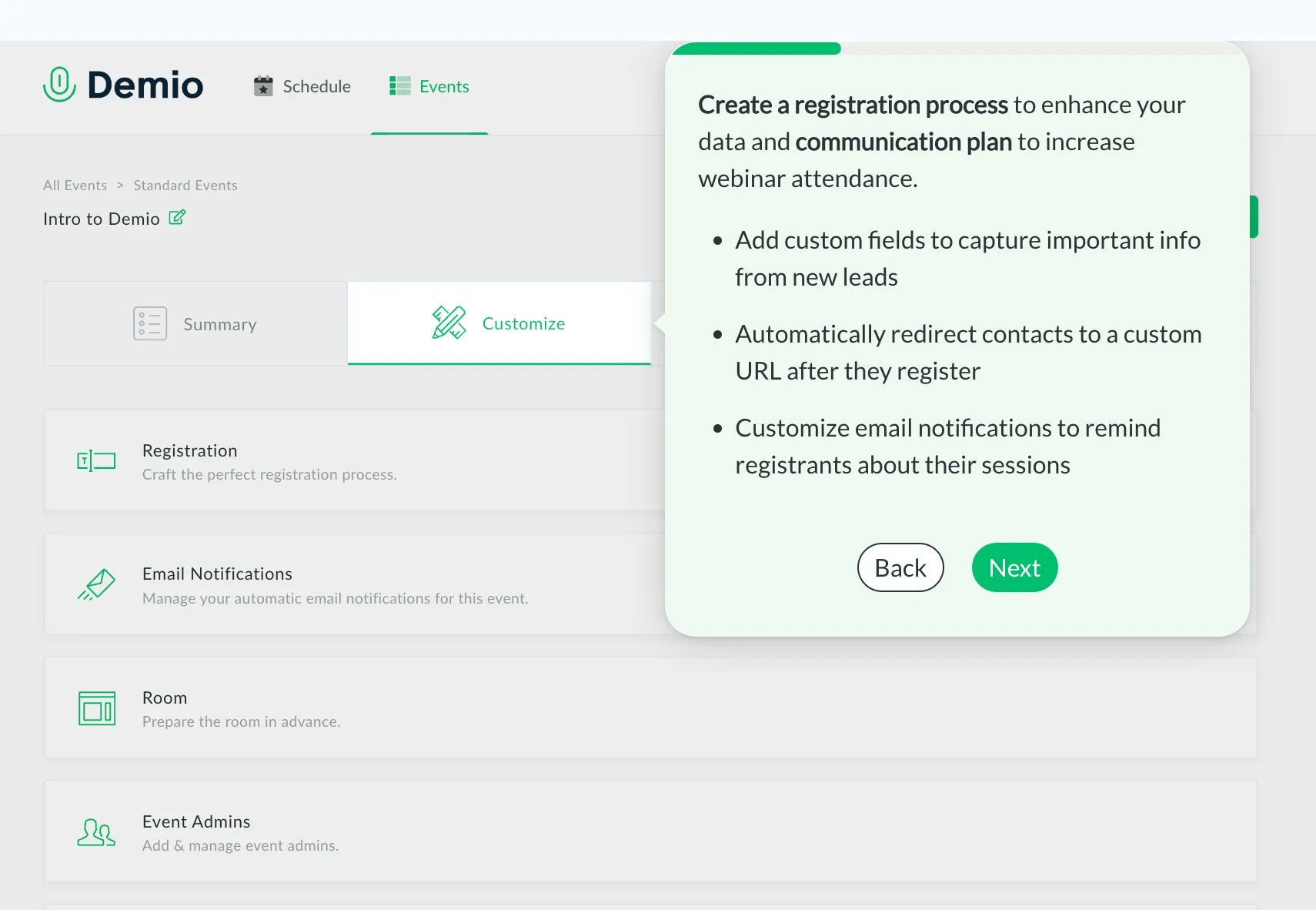
Particularly for marketing teams with limited resources, Demio offers an efficient path to substantial outcomes. Its straightforward, web-based setup and the ability to personalize the branding make it both user-friendly and professional.
The platform’s analytics capabilities are a standout feature, providing deep insights into metrics such as audience participation and engagement levels and making it one of the best automated webinar platforms.
Pros:
- Ability to tailor questions on the registration page for deeper audience understanding.
- Eye-catching live offers, complete with imagery and countdowns, to encourage participant action.
- Automated webinar marketing capabilities with triggers for specific audience behaviors.
- Accommodates a 50-person audience in its starter package, including all vital features.
- Analytical tools to track and analyze participant engagement, screen activity, and focus.
Cons:
- Limited flexibility in customizing the registration page’s design.
- Occasional inconsistencies in video quality.
Pricing: Starts at $42/month (billed annually) for 50 attendees.
3. EverWebinar
Best for Live Event Simulation
EverWebinar stands out as my tool of choice for replicating the feel of live events through evergreen webinars. It adeptly allows for the creation of simulated live webinars that emulate real sessions, fostering a sense of authenticity.
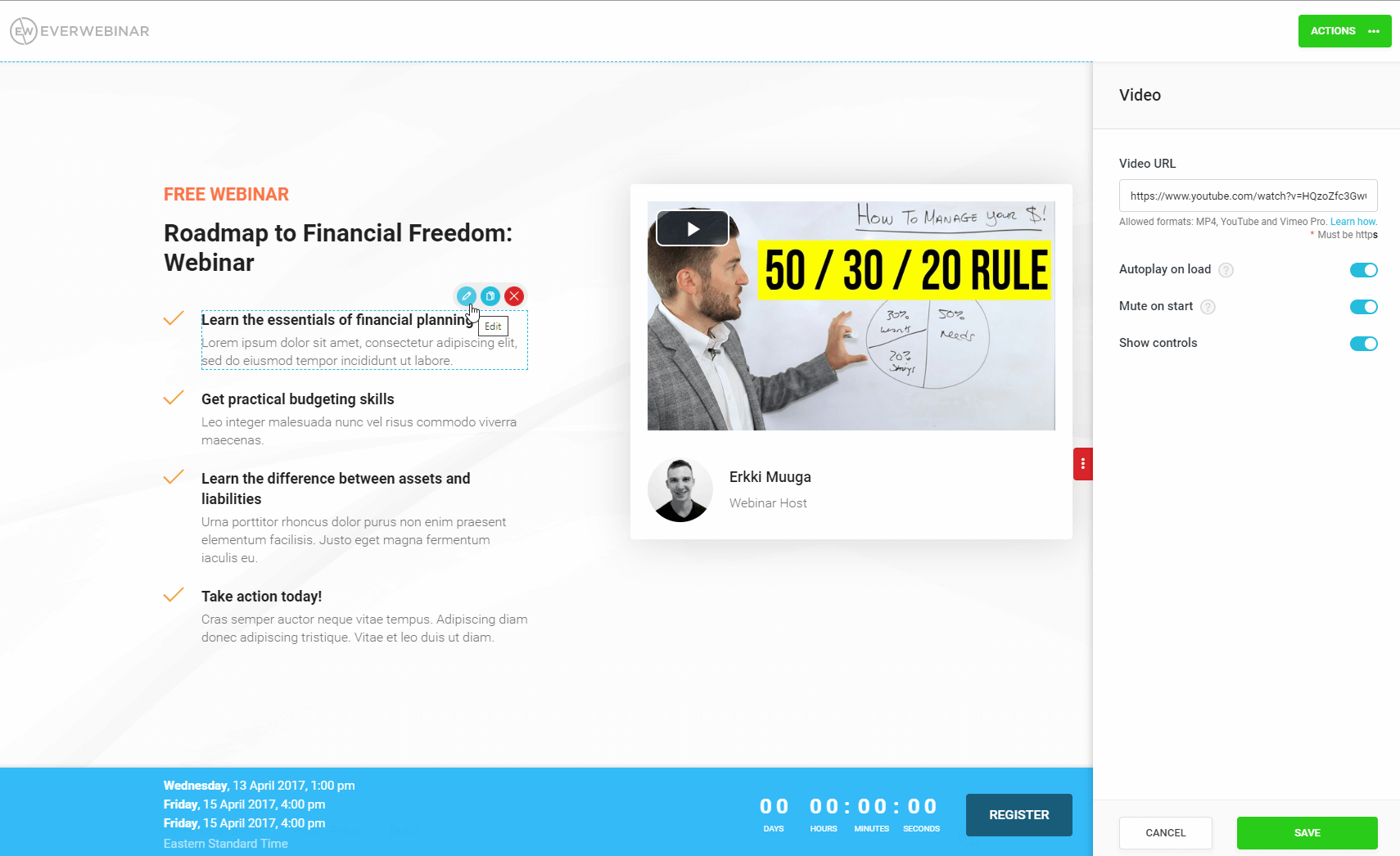
The tool is versatile, allowing for the use of either pre-recorded content or live webinar features, along with adding interactive elements such as polls and chats.
This software excels in creating a sense of urgency and involvement through well-designed landing pages, email campaigns, and countdown timers. Its integration with leading email marketing and CRM platforms helps you nurture leads and boost conversions.
Pros:
- A diverse array of template options for creating engaging registration pages.
- Capability to conduct A/B tests on registration pages to maximize conversions.
- Advanced email editing tools for personalized communication based on attendee preferences.
- Timed sales offers during webinars to capture attention at key moments.
- Live interaction capabilities, including Q&A sessions and chat features.
Cons:
- Absence of a comprehensive overview of automated interactions.
- Doesn’t offer a direct option for hosting live webinars; its sister product, WebinarJam, is required for such features.
- Setting up automated webinars requires a bit of technical knowledge, which might be overwhelming for beginners.
Pricing: $499/year
4. Livestorm
Best for Small and Medium-Sized Businesses
After exploring Livestorm through a detailed demo, I found it to be exceptionally suitable for small and medium-sized businesses. Its user-friendly interface and streamlined setup process significantly ease webinar management.
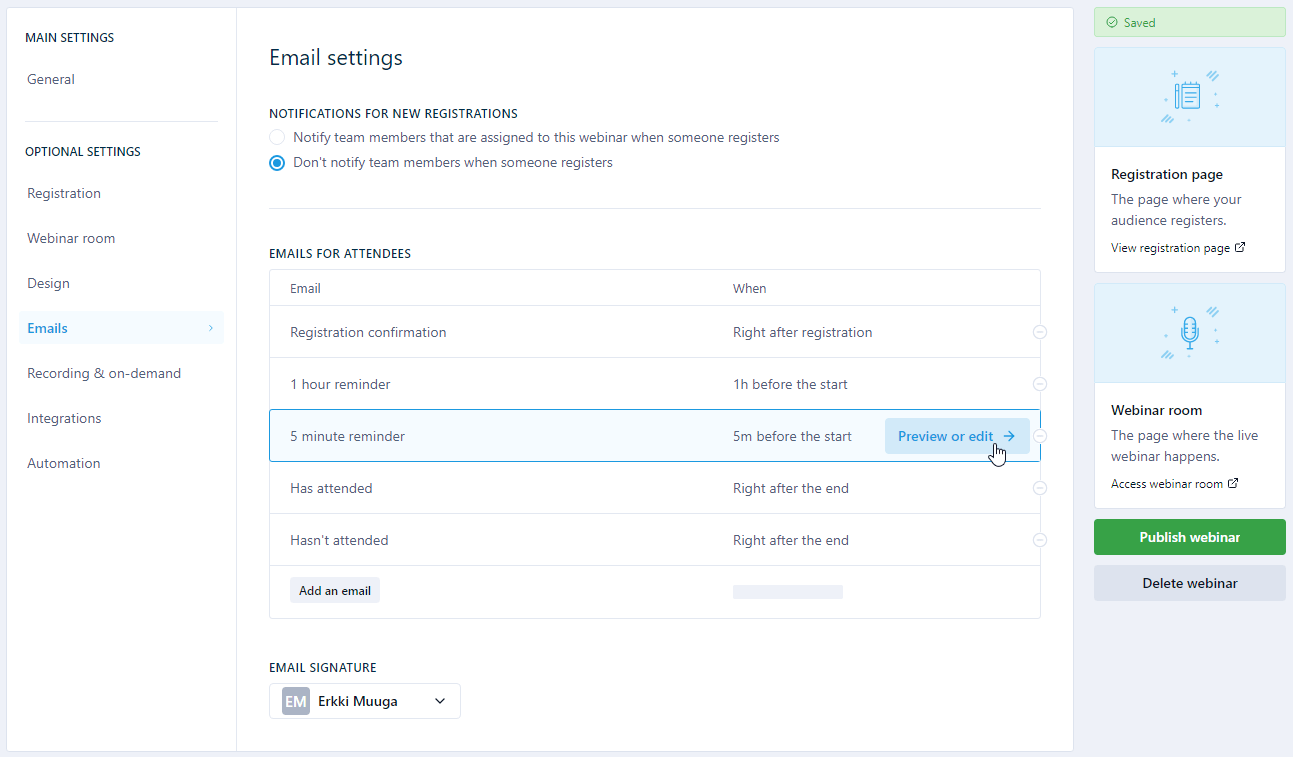
What makes it one of the best automated webinar platforms? It’s great for handling recurring events, offers robust integration with various CRM systems, and provides valuable analytics for in-depth reporting.
In my exploration, the customizable registration pages and brand-centric webinar rooms were standout features. Additionally, interactive elements like polls and file sharing are excellent for enhancing participant engagement.
Pros:
- The automated webinar event builder is intuitive, making it an ideal choice for newcomers.
- Incorporation of features like polls, surveys, Q&A, offers, and chats is straightforward.
- Creating landing pages, email campaigns, and thank-you pages is seamless, enhancing the overall experience.
- Integrates well with popular platforms such as HubSpot, Mailchimp, and Salesforce.
- Offers comprehensive reports and analytics, providing insights into participant engagement and behavior.
Cons:
- Absence of a recurring schedule feature for automated webinars.
- Incompatibility with native PowerPoint presentations, requiring conversion to PDF.
Pricing: Starts at $79/month (billed annually). A free plan is also available (up to 20 minutes/session).
5. ClickMeeting
Best for Lead Generation and Nurturing
I recently conducted a hands-on trial of ClickMeeting and was extremely impressed with its ability to generate and nurture leads effectively. I loved its simplicity in uploading pre-recorded videos or converting live sessions into automated webinars.
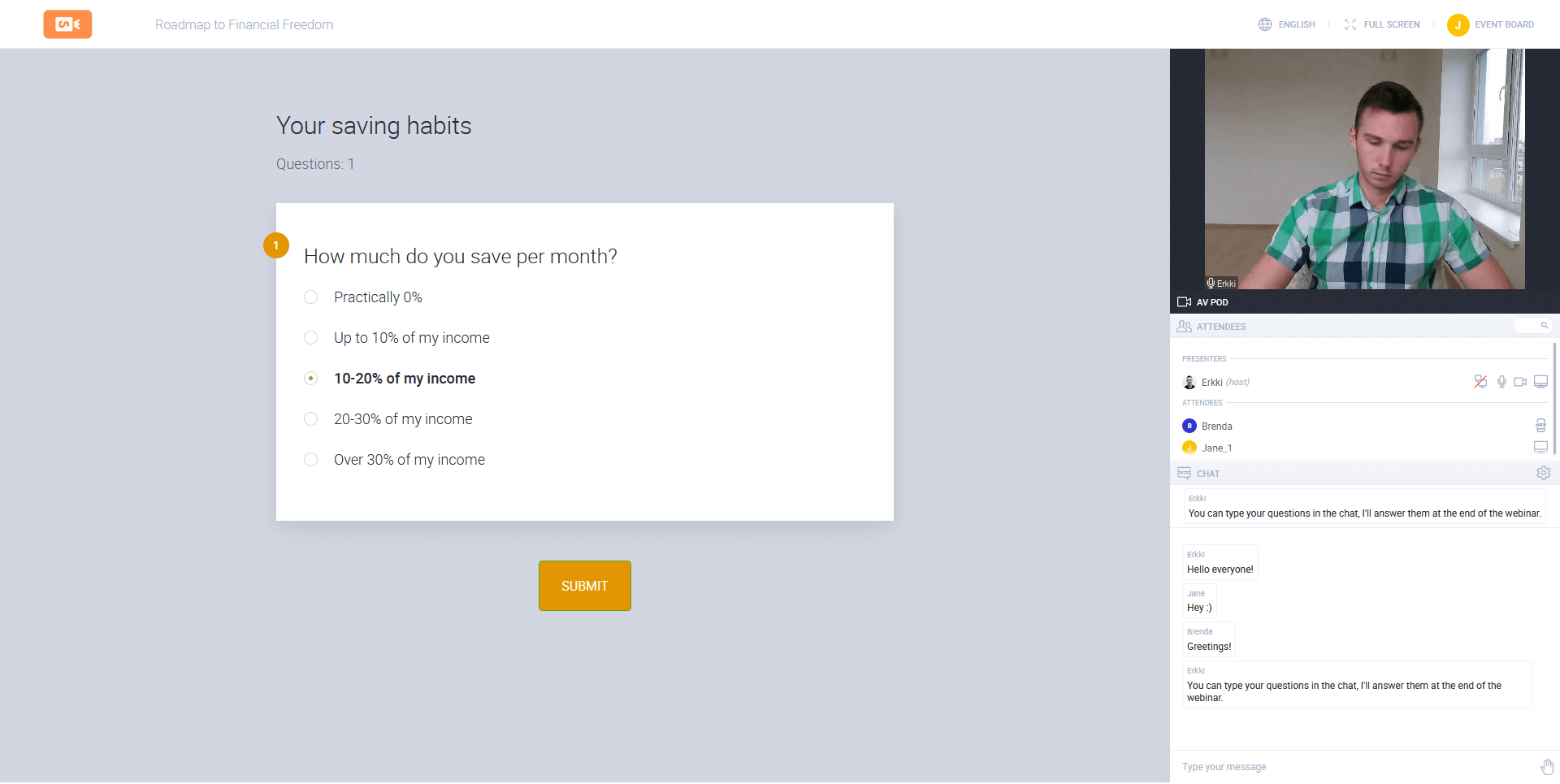
The platform offers a range of interactive tools, such as polls, surveys, and chat, that allow for a more personalized engagement with the audience. From my testing, I found it easy to create attractive landing pages, targeted email campaigns, and optimized thank-you pages.
I could also seamlessly invite attendees to additional automated events to enhance the nurturing process and expand my webinar’s reach.
Pros:
- Offers customizable webinar rooms with brand elements for a cohesive professional appearance.
- Advanced marketing tools, including tailored invitations and automated reminders, enhance audience attraction.
- Registration page customization allows for a more personalized attendee experience.
- Equipped with interactive tools such as chat, polls, and surveys to boost audience participation.
- Provides detailed analytics and reporting to track and understand key metrics.
Cons:
- The pricing can be relatively high for large attendee sizes, which may not suit businesses with extensive webinar requirements.
- The lack of on-demand webinar functionality restricts viewers to scheduled viewings only.
Pricing: Starts at $42/month (billed annually). The price depends on the number of attendees.
6. GoToWebinar
Best for Large Enterprises
Having used GoToWebinar regularly in the past, I can attest to its suitability for large enterprises. The platform excels in creating and scheduling recorded webinars that capture the interactive essence of live events.
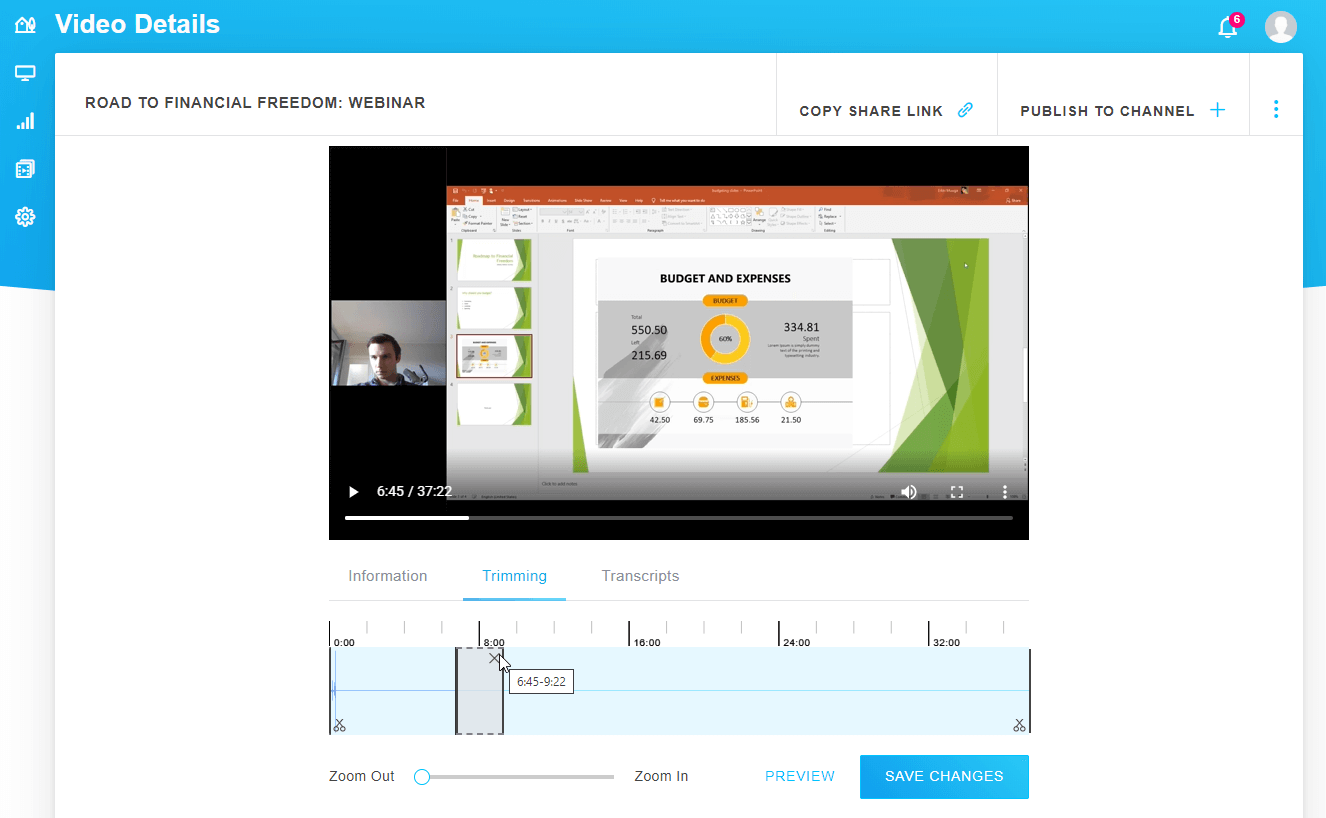
Its flexible scheduling and features like polls and surveys significantly ease the stress of webinar management. The robust customer support, wide range of integrations, and strong security features make it a reliable choice for large-scale operations.
In my experience, GoToWebinar is the best automated webinar platform for enterprises looking to navigate the complexities of webinars, providing a simple and reliable experience.
Pros:
- Supports extensive audiences, accommodating up to 3,000 attendees, which is essential for large enterprises.
- Includes GoToMeeting software, enhancing collaborative capabilities.
- Features such as audience attentiveness tracking help gauge engagement effectively.
- Webinar recordings can be edited and trimmed for a more polished final product.
Cons:
- Requires downloading and installing software, which might be a hurdle for some users.
- Limited options for landing page customization, restricting branding flexibility.
- The absence of direct call-to-action features, which could limit engagement opportunities.
Pricing: Starts at $49/organizer/month (billed annually).
7. MyOwnConference
Best for Social Media Integration
MyOwnConference distinguishes itself with features geared towards enhancing attendee engagement and registration convenience. The platform’s ability to integrate social media for webinar registration is particularly notable, making sign-ups effortless and boosting registration rates.
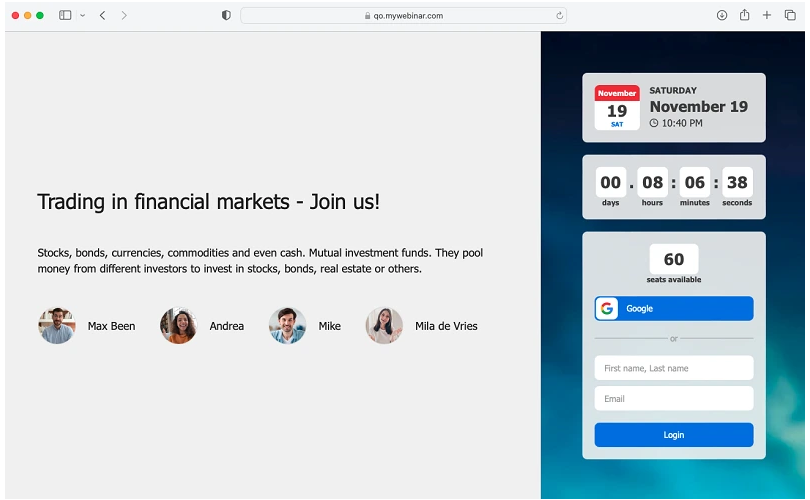
It also offers comprehensive email customization options for webinar communication. I could customize various aspects of the webinar space, including its colors, layout, and platform language.
Additionally, you can incorporate your own logo and banner and configure post-webinar redirects. This enables you to completely brand the platform, making it seamlessly blend with your website as an integrated extension.
Pros:
- Various interaction tools like polls, tests, and Q&A sessions useful for engaging audiences in educational webinars.
- Offers a versatile range of webinar formats, catering to diverse hosting requirements.
- Browser-based access simplifies participation, requiring no additional software downloads.
- A strong server network provides stable connectivity for global audience reach.
- Customizable branding and interactive tools enhance the webinar experience.
Cons:
- The user interface is cumbersome and appears outdated.
- There is no functionality for tracking registration conversions.
- Questions for Q&A are sent as private messages, limiting the usefulness of this feature.
Pricing: Free plan with a limit of 1 automated webinar at a time. Premium plans start at $264/year.
8. GetResponse
Best for Email Marketing Integration
GetResponse shines for its integration of webinar features with powerful email marketing tools, perfect for a comprehensive digital marketing strategy. I found it perfect for hosting large-scale webinars. It’s also a great choice for interactive webinar tools such as polls and quizzes and accessibility across various devices.
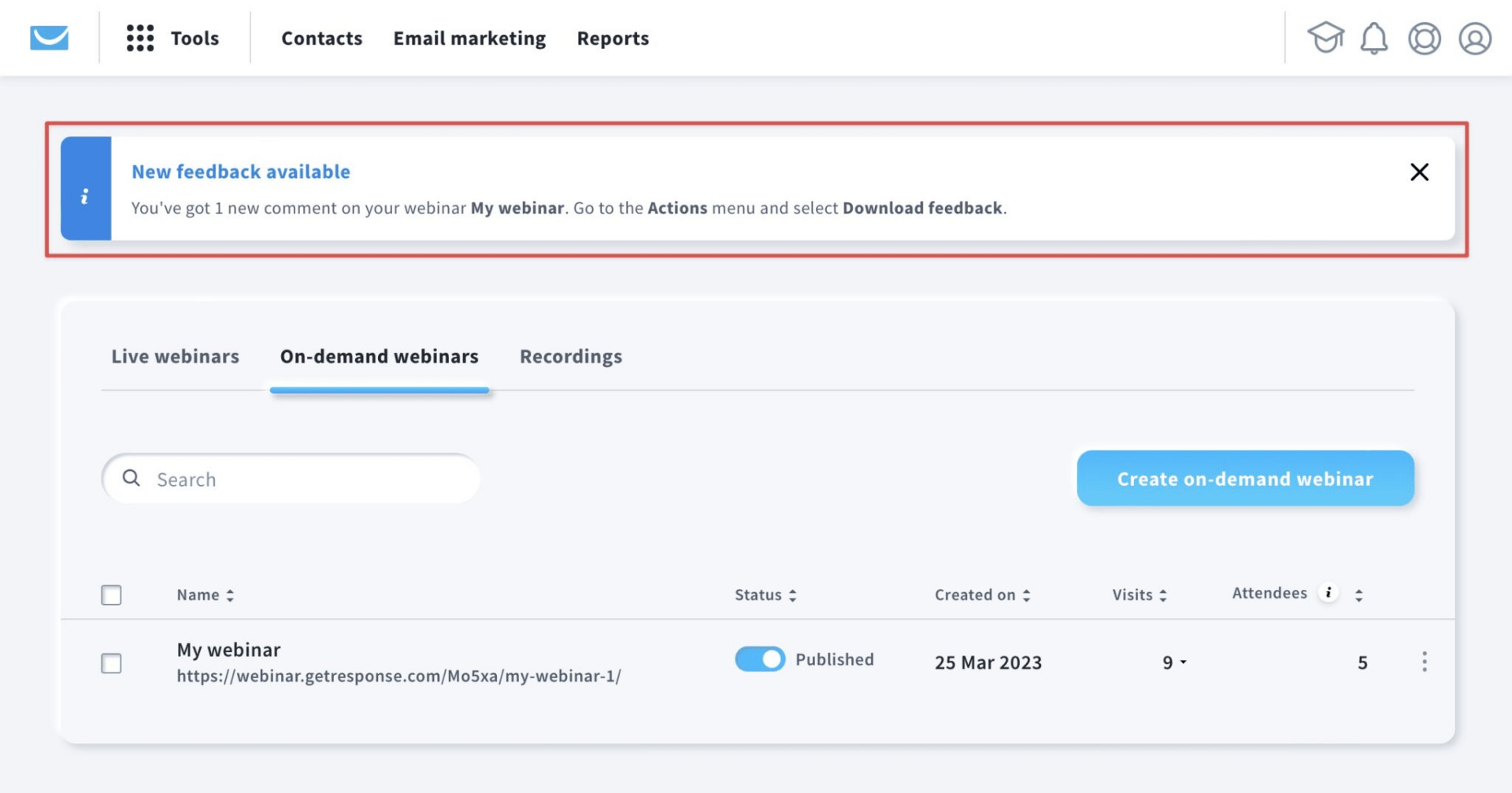
The platform’s user-friendly nature simplifies webinar management, and it offers handy features like lead segmentation, contact scoring, and sales funnels, making it an attractive choice for those looking to enhance audience engagement in their marketing campaigns.
Pros:
- Integrates seamlessly with email marketing, enabling effective promotion and audience follow-up.
- Accommodates up to 1,000 live attendees, ideal for large-scale webinars.
- Accessible on mobile devices, providing flexibility and convenience for both hosts and attendees.
- User-friendly interface and navigation simplify webinar management and operation.
- Built-in marketing tools like SEO-optimized landing pages enhance the overall effectiveness of event promotion.
Cons:
- Webinar features aren’t available in the basic plan.
- Only one webinar can be hosted at a time, limiting flexibility.
Pricing: Plans offering webinar functionality start at $48.4/month (billed annually).
9. Zoom Webinars
Best for Intuitive User Experience
In my experience using Zoom Webinars, its intuitive and familiar user interface stood out. It’s ideal for those seeking a reliable and easy-to-use platform and facilitates webinar automation effectively, allowing for pre-recorded sessions to be delivered with the same level of interaction as live events.
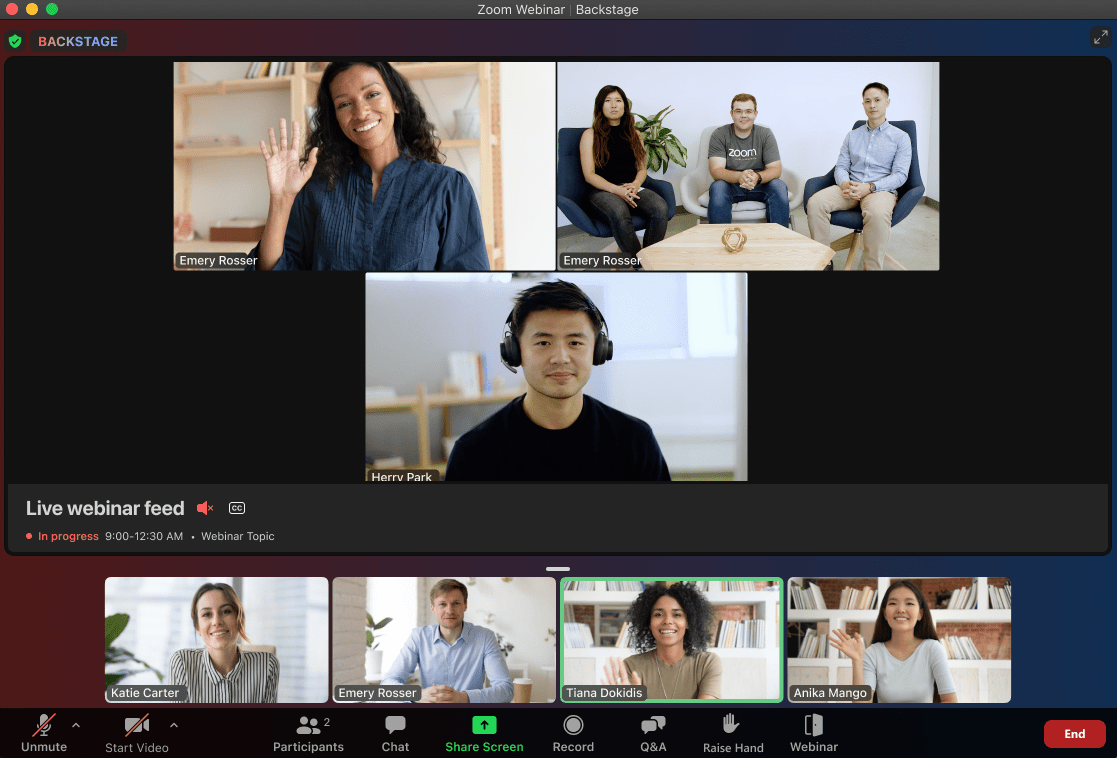
Its features like Q&A, polls, and virtual backgrounds enhance audience engagement in an automated setting. The seamless experience it provides, combined with high-quality audio and video streaming, makes Zoom Webinars especially suitable for those familiar with Zoom’s interface and seeking an uncomplicated yet effective automated webinar software.
Pros:
- Seamless integration with various third-party applications, extending the functionality and versatility of the platform.
- Known for its user-friendly interface, Zoom Webinars is accessible for both experienced users and newcomers.
- High-quality audio and video streaming ensure a smooth and professional webinar experience every time.
- Capable of accommodating large audiences, it supports up to 50,000 viewers and 1,000 video panelists, making it suitable for major events.
Cons:
- Limited customization for branding, restricting hosts from fully aligning webinars with their brand’s visual identity.
- A lack of comprehensive analytics for registration pages, limiting insights into attendee conversion rates.
Pricing: Starts at $690/year/license.
10. BigMarker
Best for Promoting Sales Offers
BigMarker offers a flexible approach to content delivery, accommodating both pre-recorded and live options. The platform’s features, such as scheduled automated webinars, polls, surveys, and chat functionalities, create an engaging experience for attendees.
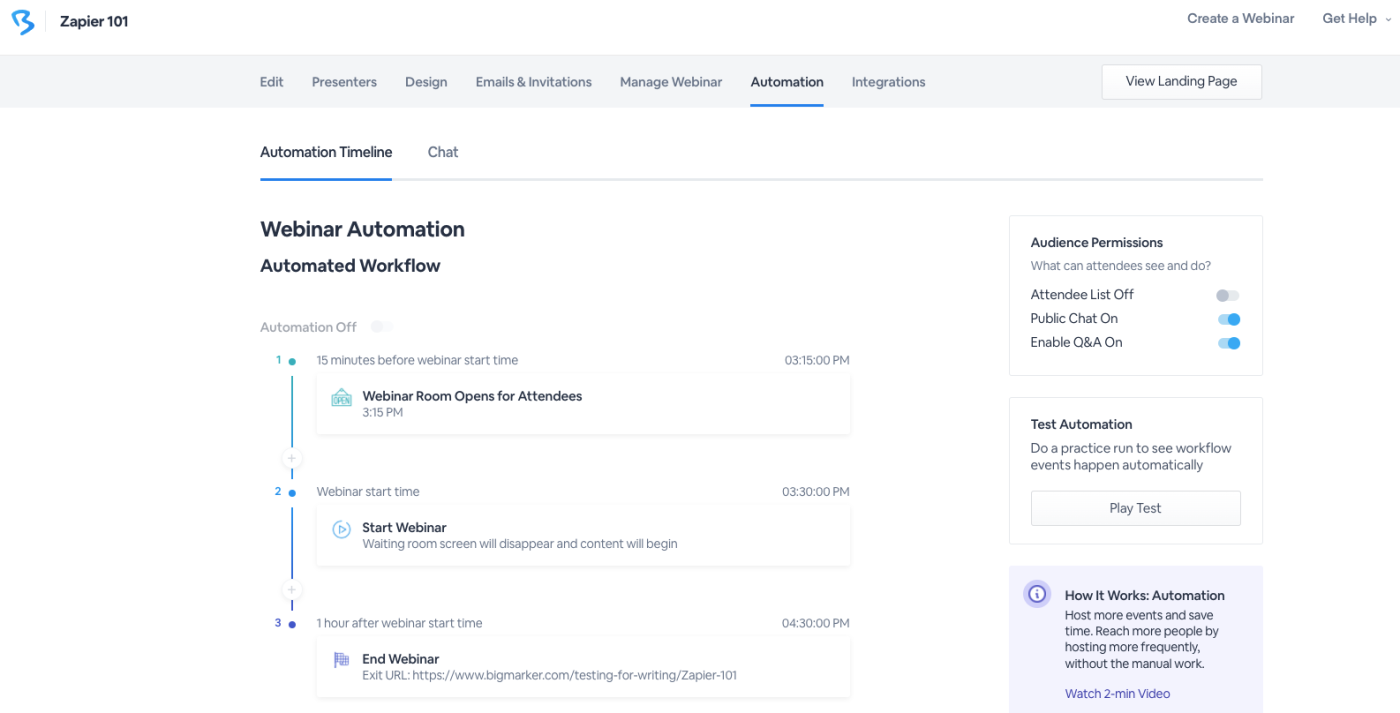
Beyond webinars, BigMarker is a comprehensive solution for marketing and sales, integrating landing pages and email campaigns seamlessly. This earns it a spot on my list of the best automated webinar platforms.
From my exploration, this automated webinar platform emerges as an effective choice for those aiming to drive revenue through automated webinars.
Pros:
- Highly customizable, offering a range of features for both virtual events and webinars.
- Delivers high-quality video, ensuring top-notch recording and streaming quality.
- User-friendly interface with clear navigation, simplifying setup and management.
- Integrates effectively with major CRM, marketing, and email platforms.
- Interactive features like Q&A sessions and participation tracking enhance attendee experience.
Cons:
- Integrating with third-party software can be complex.
- Occasional issues with audio lagging during webinars.
Pricing: Starts at $89/month.
11. WebinarGeek
Best for Comprehensive Customization Options
WebinarGeek provides a highly customizable platform that’s perfect for creating tailored automated webinars. When I used WebinarGeek, I was able to personalize every aspect of the webinar experience.
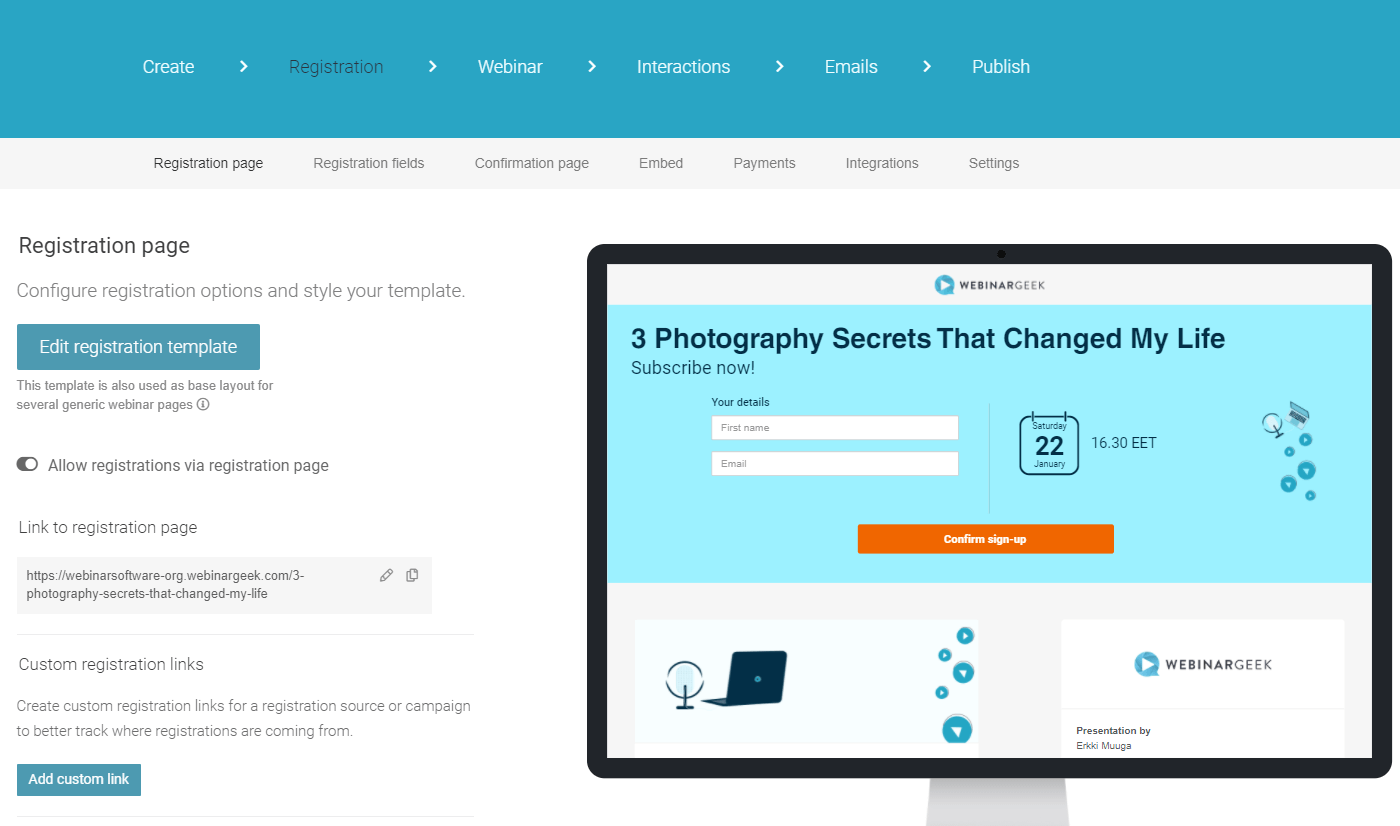
From designing unique landing pages and registration forms to customizing emails and thank-you pages, the platform offers extensive branding options. Interactive features like polls, quizzes, and live chat are also customizable, allowing for a fully branded and engaging experience.
WebinarGeek is particularly suitable for those who prioritize personalization in their webinars, making it ideal for marketers, educators, and business professionals looking to create distinctive and memorable online events.
Pros:
- A wide range of webinar formats, including live, automated, on-demand, and hybrid, catering to various hosting needs.
- Extensive customization options allow for complete branding alignment and audience interaction, enhancing the webinar experience.
- Browser-based accessibility means no software download is required, facilitating ease of use and quick access.
- Interactive tools like chat, polls, and quizzes are included to engage audiences and keep them involved in the webinar.
- Detailed analytics provide valuable insights into webinar performance, aiding in the evaluation and improvement of future webinars.
Cons:
- First-time users may find the interface complex due to its extensive features.
- Editing tools for webinar recordings are somewhat limited.
Pricing: Starts at €39/month (billed annually).
12. eWebinar
Best for In-Depth Analytics
While I haven’t personally used eWebinar much, a peer of mine has extensively used it, and their feedback highlights its impressive analytics capabilities. Besides excelling in automating webinar experiences, the tool offers a robust analytics dashboard, a feature my colleague found particularly useful.
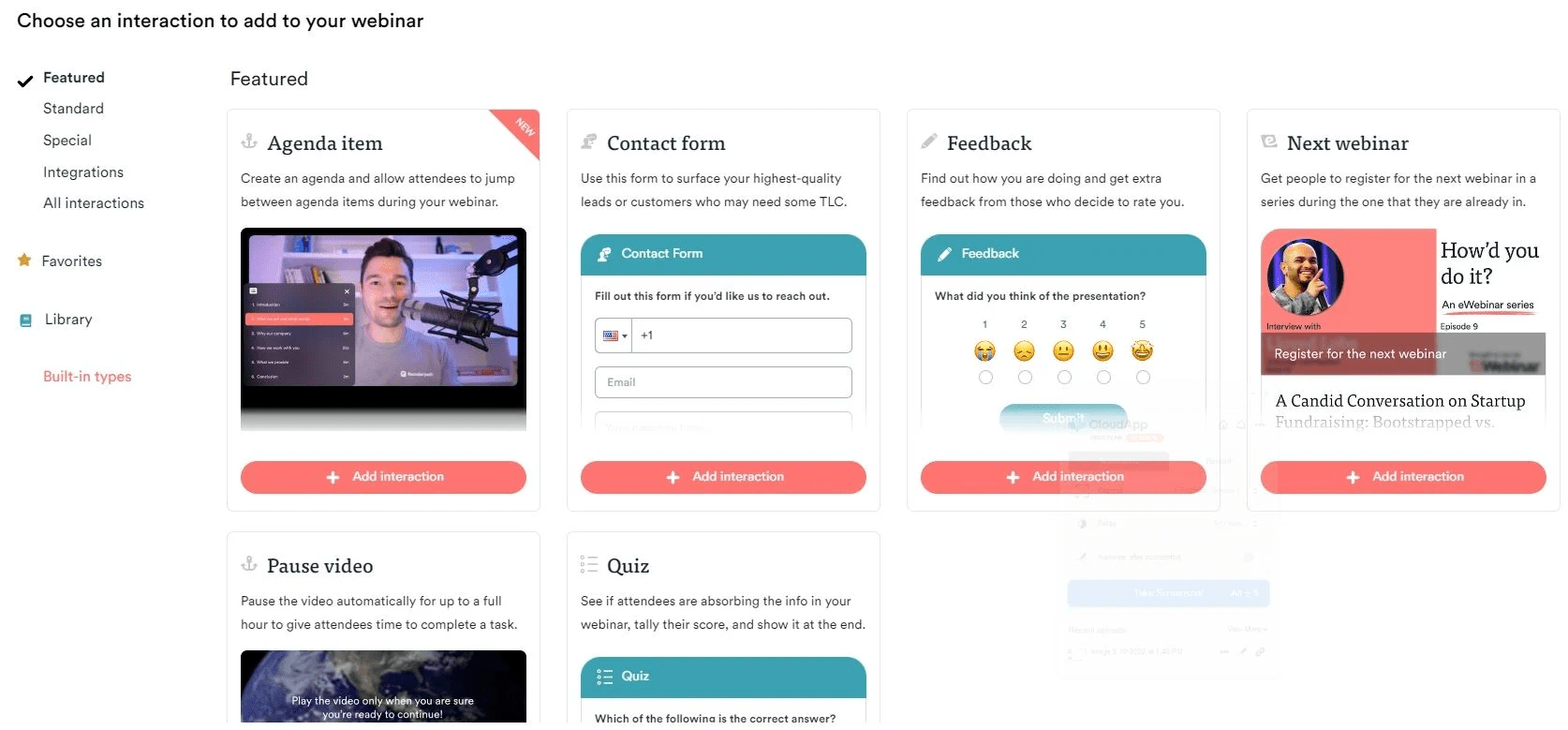
It enables real-time tracking of attendee activities and reactions, which is crucial for understanding engagement levels and pinpointing interest peaks.
eWebinar’s ease of setup and its emphasis on personalized interactions and engagement tracking make it a highly recommended choice for those prioritizing a data-driven approach in their webinar strategies.
Pros:
- User-friendly interface and straightforward setup process, making it accessible even for beginners.
- Creates automated webinars from a variety of video sources, offering flexibility in content use.
- Provides comprehensive analytics on attendee behavior, engagement, and feedback.
- Compatible with popular tools such as Mailchimp, Calendly, and Zapier for seamless integration.
- Features like polls, surveys, Q&A, offers, and chat are integrated to enhance audience engagement.
Cons:
- The viewing experience on mobile devices isn’t as smooth as on desktops.
- There’s room for improvement in notification statistics and setup configuration.
Pricing: Starts at $84/month (billed annually) for 1 active webinar and up to 3,000 registrants/month.
My Top 3 Automated Webinar Platform Choices
Numerous automated webinar software solutions are available, but from my personal experience and testing, these top three stand out:
1. WebinarNinja
This platform enables quick and effortless creation and hosting of automated webinars, eliminating the need for technical expertise or downloads. It enhances viewer participation and conversion rates through features like polls, quizzes, offers, and chat, while built-in CRM integrations and lead nurture workflows make it a complete evergreen webinar funnel solution.
2. BigMarker
Known for its powerful, scalable capabilities, BigMarker can accommodate up to 10,000 participants in each automated webinar. It also offers tools for creating landing pages, email campaigns, and pop-ups, aiding in webinar promotion and lead generation.
3. EverWebinar
Distinguished by its realistic, dynamic simulation, EverWebinar offers an experience akin to live events. It supports the creation of landing pages, email campaigns, and countdown timers, enhancing promotional efforts and adding a sense of urgency.
Evaluation Criteria
I didn’t want this to be just another generic list, so I followed a clear and consistent approach to evaluate each tool fairly. I focused on six key factors that actually matter when you’re choosing webinar software for marketing:
- User Reviews / Ratings: I looked at real user feedback and ratings on trusted platforms like G2 and Capterra to understand what people actually like, where tools fall short, and how they perform in real-world use
- Essential Features and Functionality: I evaluated each tool based on its core features and overall functionality to see how useful and effective it is for running marketing-focused webinars
- Ease of Use: I paid close attention to how easy each platform is to set up and use, including the interface, navigation, and overall experience for both beginners and experienced users
- Customer Support: I considered how responsive and helpful the support teams are, especially during setup, troubleshooting, and ongoing usage
- Value for Money: I compared pricing with features and performance to see whether each tool actually delivers good value for what you pay
- Personal Experience / Expert Opinion: I also factored in my own hands-on experience, along with insights from industry experts, to add a practical, real-world perspective to the evaluation
Boost Business Growth With Webinar Automation
Now that you’ve explored the best automated webinar platforms, it’s time to make your choice.
Adopting webinar automation marks a pivotal step in business expansion. These tools help you reach a wider audience, convert prospects, and build stronger relationships without constantly running live sessions.
If you’re looking for a platform that brings everything together, WebinarNinja stands out. It combines registration, automation, engagement, and follow-ups in one place, so you can focus on results instead of managing multiple tools.
As you decide, prioritize your specific needs and choose a platform that not only fits your workflow but also helps you turn webinars into a consistent growth engine.
Frequently Asked Questions

Which Platforms Are Best for Evergreen Webinars?
Platforms like WebinarNinja and Demio are well suited for evergreen webinars because they allow you to schedule pre-recorded sessions that still feel structured and intentional. The real value comes from keeping your funnel active even when you are not hosting live sessions. With built-in email automation and integrations, these platforms help turn passive viewers into qualified leads over time instead of letting interest fade.
What Is the Best Webinar Automation Platform for Marketing Funnels?
WebinarNinja stands out as a webinar automation platform for marketing funnels because it connects landing pages, email sequences, engagement tracking, and follow-ups in one system. This helps marketing teams move leads from registration to conversion without relying on multiple disconnected tools. Platforms like ON24 also offer strong analytics, but WebinarNinja is often easier to implement for teams that want a faster setup.
Which Webinar Platforms Offer the Best CRM and Email Integration?
Platforms like WebinarNinja, ON24, and Demio offer strong CRM and email integrations, either natively or through tools like Zapier. These integrations automatically push attendee data into systems like HubSpot or Salesforce, allowing teams to trigger follow-ups based on real behavior. This improves lead quality and response time, since sales teams can focus on engaged prospects instead of working through unqualified lists.
What Are Good Webinar Attendance Rate Benchmarks to Aim For?
According to the ON24 report in 2025, webinar attendance rates often fall between 35% and 45% for live sessions, although this can vary by industry and promotion strategy. Tools like WebinarNinja help improve these numbers with automated reminders and calendar integrations that reduce no-shows. Focusing on reminder timing and audience targeting can significantly increase attendance and ensure more registrants actually show up.
Which Automated Webinar Software Is Best for SaaS Demos and Onboarding?
WebinarNinja and Demio are strong choices for SaaS demos and onboarding because they support structured presentations with interactive elements like polls, Q&A, and CTAs. Automated delivery allows companies to run consistent demos without requiring a live host every time. This helps scale onboarding efforts while ensuring every prospect receives the same clear and guided product experience.
What Is the Difference Between Evergreen and Simulated Live Webinars?
Evergreen webinars are pre-recorded sessions that can be accessed on demand or through scheduled replays, while simulated live webinars add elements like countdown timers and live chat to mimic a real-time experience. Platforms like WebinarNinja and EverWebinar support both formats. Simulated live setups often perform better for conversions because they create urgency while still being fully automated.
Which Platforms Are the Easiest to Set Up for Beginners?
WebinarNinja is one of the easiest platforms for beginners because it runs entirely in the browser and does not require downloads or complex integrations. The setup process guides users through creating landing pages, email sequences, and webinar sessions step by step. This makes it ideal for teams running their first campaigns, since everything is managed in one place without technical overhead.
What Tools Let You Run Automated Webinars That Feel Live?
WebinarNinja and EverWebinar are designed to create automated webinars that feel live by adding timed chat messages, polls, and calls to action during the session. This improves engagement and keeps attendees interacting instead of passively watching. The result is higher retention and better conversion rates, since the experience closely mirrors a real event without requiring you to be present each time.
How Do Lead Nurturing Workflows Connect to Automated Webinars?
Lead nurturing workflows connect directly to automated webinars through registration data, engagement tracking, and follow-up automation. Platforms like WebinarNinja and ActiveCampaign allow you to send targeted emails based on actions such as attendance, watch time, or clicks. This ensures that each lead receives relevant messaging, which improves conversion rates and keeps prospects moving through the funnel.
How Do I Track Revenue and ROI From Automated Webinars?
Tracking ROI from automated webinars requires connecting engagement data with your CRM and revenue pipeline. Tools like WebinarNinja and HubSpot help by capturing registrations, attendance, clicks, and conversions, then syncing that data into your CRM. This allows you to see which webinars are actually generating revenue instead of just views. Over time, this clarity helps improve campaign targeting and budget allocation.
What Should I Look for in a Webinar Analytics Dashboard?
A strong webinar analytics dashboard should track registrations, attendance, watch time, engagement, and CTA clicks in one place. Tools like WebinarNinja and ON24 go further by connecting this data with CRM systems so you can measure pipeline impact. This helps marketing teams understand which webinars drive results and where to optimize for better performance in future campaigns.
Want to host a webinar for free?
Use WebinarNinja to teach, improve marketing, and grow your sales.